Dev Logs / 4 menit baca
Kotlin News Roundup: Turning 15, Kotlin 2.4.0, and the Kotlin Toolchain
Image: JetBrains
May and June 2026 turned out to be a busy stretch for the Kotlin community. Besides celebrating its 15th anniversary, Kotlin shipped version 2.4.0 with several notable additions, alongside a wave of updates across the Kotlin Multiplatform (KMP) ecosystem. Here's a rundown of the highlights, based on Kodee's Kotlin Roundup from the official JetBrains blog.
Kotlin Turns 15
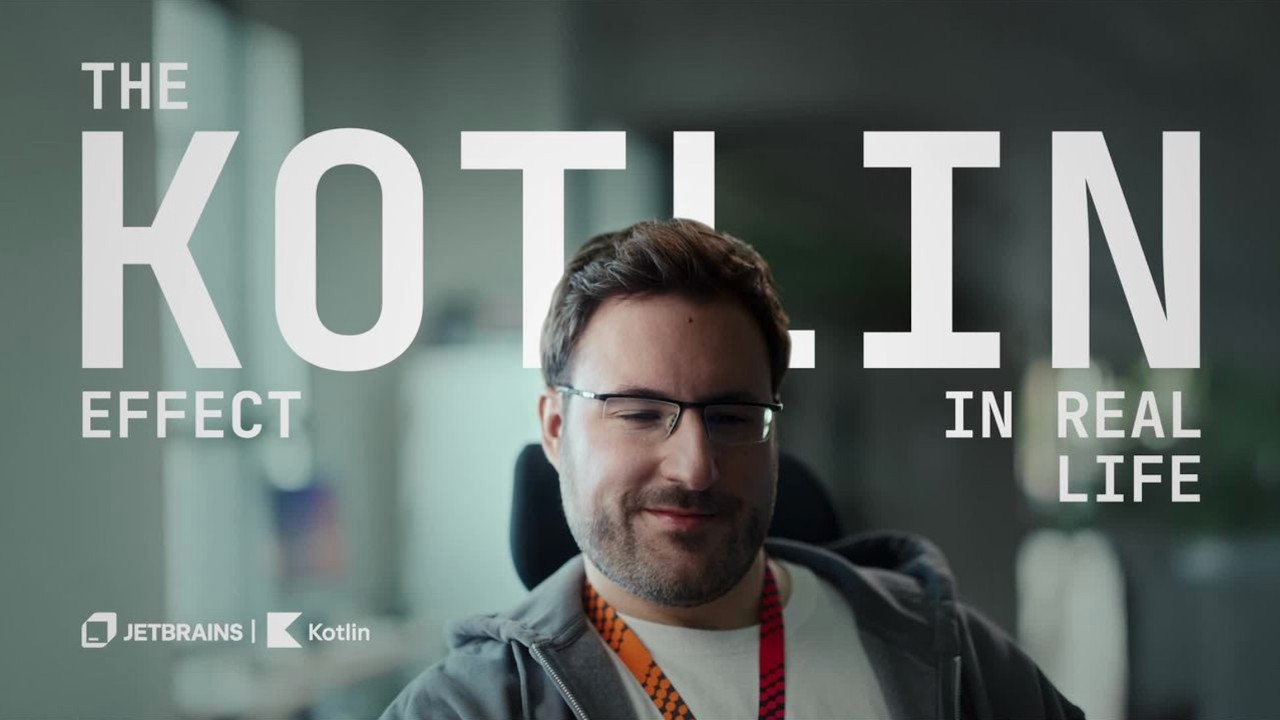
Image: JetBrains
As part of the anniversary celebration, JetBrains released a "Kotlin Effect" campaign video showing how the language's core design principles — conciseness, efficiency, and a bit of fun — show up in everyday situations outside of code. There's also a browser-based arcade game called Kodee vs. Friction, built with Kotlin, Compose Multiplatform for Web, Kotlin/Wasm, and a Ktor backend, with the source code made public.
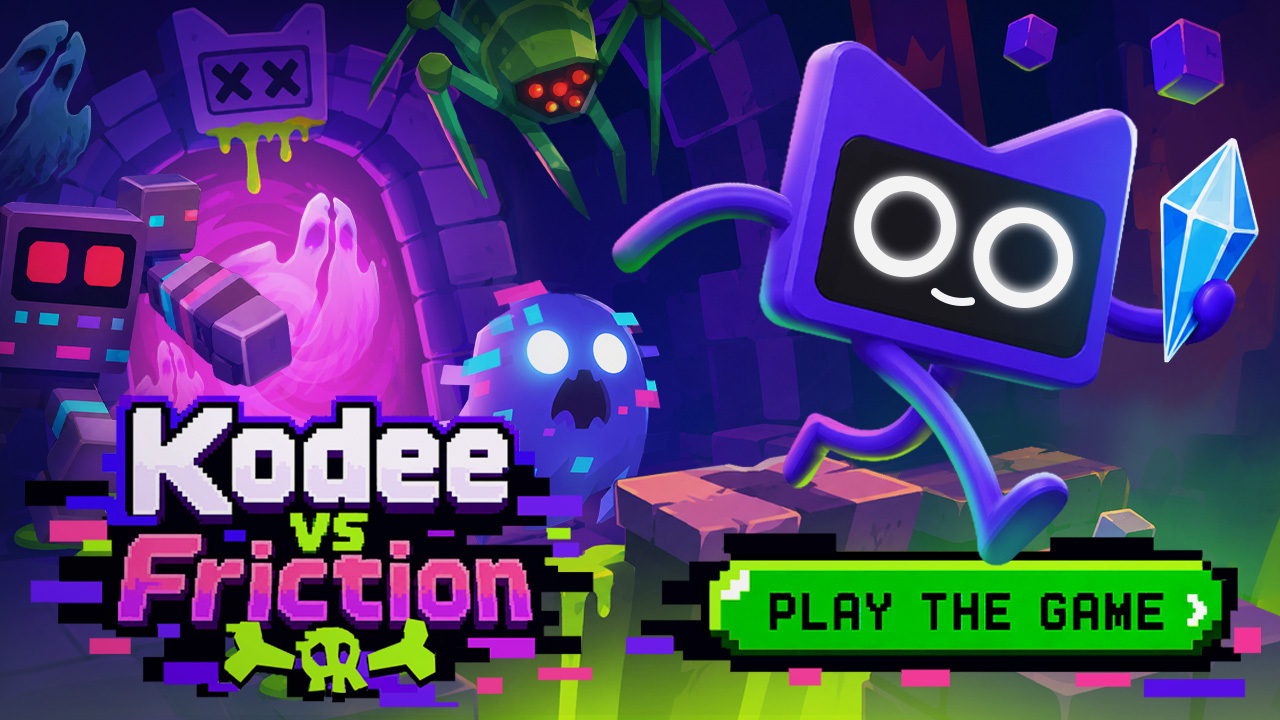
Image: JetBrains
For those looking to dig deeper, several Kotlin courses on Hyperskill were made free for the occasion, covering everything from foundational topics to project-based mobile and backend development.
Kotlin 2.4.0 Is Here
Image: JetBrains
This is a major release. Key highlights include:
- Context parameters and explicit backing fields are now stable.
- Expanded standard library and platform capabilities.
- Improvements across Kotlin/JVM, Kotlin/Native, Kotlin/Wasm, Kotlin/JS, Gradle, Maven, and the compiler.
Kotlin Toolchain 0.11
Kotlin Toolchain — the official evolution of the Amper project — offers a single entry point for working with Kotlin projects: create, build, run, test, and publish, all through one kotlin command, without needing complex plugin setup. Version 0.11 is now available and continues to evolve for both JVM and multiplatform workflows.
Koog 1.0: Building AI Agents in Kotlin
Image: JetBrains
Koog, a framework for building AI agents in idiomatic Kotlin, has reached its 1.0 milestone. The stable release brings a one-year compatibility guarantee, improved interoperability, multiplatform observability, and support for reliable agent workflows across backend, mobile, and multiplatform apps.
Grants for Kotlin Library Authors
The 2026 Kotlin Foundation Grant Program is now open for developers building or maintaining open-source Kotlin libraries, tools, and frameworks — including projects related to Kotlin Multiplatform, AI, and large language models. Applications close on July 14, 2026, so it's worth applying soon if you're interested.
Compose Hot Reload Meets AI Agents
Compose Hot Reload 1.2.0-beta01 continues its experimental work on an MCP server, giving AI agents more ways to interact with running Compose apps in real time. The beta adds support for autonomous build mode, log access, UI error inspection, and lifecycle controls like restart and reset. It's still experimental, but offers a glimpse into a more visual, interactive, AI-assisted development future.
Compose Multiplatform 1.12.0-beta01
Image: JetBrains
This update brings new graphics capabilities, iOS accessibility improvements, changes to UI test behavior, and various fixes across iOS, desktop, web, resources, and the Gradle plugin. Especially relevant if you're actively migrating to CMP and need to track changes that could affect your source sets or build configuration.
Three KMP Libraries Worth Exploring
From Klibs.io, three libraries stood out this round:
- ComposeMediaPlayer — for cross-platform video playback.
- NSExceptionKt — better Kotlin/Native crash reporting on Apple platforms.
- multiplatform-settings — for storing key-value data in shared code.
Each one tackles a different problem, which says a lot about how rich the KMP library ecosystem has become.
Case Study: Booking.com's Kotlin Multiplatform Journey
Booking.com adopted KMP for an experimentation library, and the results exceeded the team's expectations. Their story is a good example of how KMP can improve cross-platform consistency without forcing teams to abandon existing platform-specific development.
More to Read and Watch
JetBrains also pointed to several extra resources this round — building AI-powered apps with Kotlin and Spring AI, an enterprise adoption playbook, testing REST APIs with Ktor's built-in framework, bringing iOS 26 Liquid Glass into a Compose Multiplatform app, and the full KotlinConf'26 Keynote recording on YouTube.
For anyone in the middle of a Compose Multiplatform migration like I am, both Kotlin 2.4.0 and Compose Multiplatform 1.12.0-beta01 are worth keeping a close eye on — a lot of the smaller changes here can directly affect source sets, Gradle configuration, and compatibility with the latest Kotlin Toolchain.